Tiny Creators Curriculum

Explore our diverse range of engaging lessons designed to ignite your child’s curiosity and enhance their learning experience
What Your Preschooler Will Learn and Explore
Our online curriculum at Tiny Creators Preschool is built around sensory-based, play-driven learning to support each child’s natural curiosity and individual pace. Below is a clear, parent-friendly summary of the skills and experiences your preschooler will gain.
Tiny Creators online preschool meets twice a week for circle time on Tuesday and Thursday in the afternoon, where children connect, play, and build friendships in a supportive virtual space. Each session is designed to be sensory-rich and developmentally appropriate, combining playful routines with gentle guidance to nurture children's social-emotional growth in a warm, consistent online setting.
Each week two prerecorded 30‑minute lessons will be provided, tailored to learning the current unit and intended to be discussed during circle time twice a week in the virtual classroom. These lessons reinforce the week’s themes through hands-on, sensory-focused activities families can use at home, giving children repeated exposure and opportunities for practice at their own pace.
-
Early Literacy: Letter recognition, phonemic awareness through rhymes and games, and emergent writing activities (scribbling to letter formation) build reading readiness.
Early Math: Counting, number recognition, simple patterns, sorting, and basic shapes are taught through hands-on activities and visual supports.
Science & Discovery: Simple experiments, nature observations, and sensory investigations introduce asking questions, predicting, and noticing cause-and-effect.
-
Sensory Play: Exploring a variety of textures, water, sand, playdough, and safe household materials helps strengthen fine motor control, supports sensory processing, and builds early problem-solving skills through hands-on experimentation and discovery.
Art & Music: Open-ended art projects, rhythm activities, and guided movement encourage self-expression, spark creativity, and promote fine motor development and coordination while nurturing confidence and a love of making.
Imaginative Play: Role-play scenarios, storytelling prompts, and puppet play foster imagination, support social negotiation, and develop symbolic thinking and emotional understanding as children practice perspective-taking and cooperative play.
-
Critical Thinking: Puzzles, matching games, and open-ended questions support reasoning, strengthen memory, and encourage persistence in problem-solving.
Cause & Effect: Simple experiments and building tasks help children test ideas, observe consequences, and learn from outcomes.Attention & Focus: Short, engaging activities and routines gradually increase attention span and improve task completion over time.
Gross Motor: Movement breaks, guided exercises, and dance develop balance, coordination, and overall body awareness.
-
Self-Regulation: Weekly activities teach taking turns, following simple routines, and using calming strategies. Children practice naming and recognizing feelings, which helps them manage emotions and behavior during group time and beyond.
Social Skills: Group games, cooperative tasks, and guided peer interactions encourage sharing, empathy, clear communication, and basic conflict-resolution. Circle-time activities are structured to promote positive interactions and turn-taking.
Independence & Executive Function: Children are encouraged to take on small responsibilities—such as tidying their activity area, choosing between activities, and following a short plan during class. These routines support decision-making, self-help skills, and early planning abilities.
Sample circle time lessons and activities
-
![]()
Dental Health
Helps preschoolers explore dental health through songs, games, and hands-on activities that teach tooth care, dentist visits, and healthy habits.
Introduction: Song and guided discussion about dental health
Teeth: Poem, labeling activity to learn tooth names and functions
Dentist: Photo, class poll, and dentist song to reduce fear of visits
Cleaning: Sequencing activity and song about brushing and flossing
X‑Rays: Carpet game and photos to introduce dental imaging
Cavities: Grid game to learn what causes cavities and prevention
Loose Tooth: Letter sort and themed carpet game for tooth loss milestones
Healthy Foods: Food-sorting activity to identify tooth-friendly snacks
Braces: Visuals, discussion, and song about orthodontic care
-
![A young girl with brown hair wearing a gray hoodie with colorful hearts, eating a peach outdoors on a grassy area with green trees in the background.]()
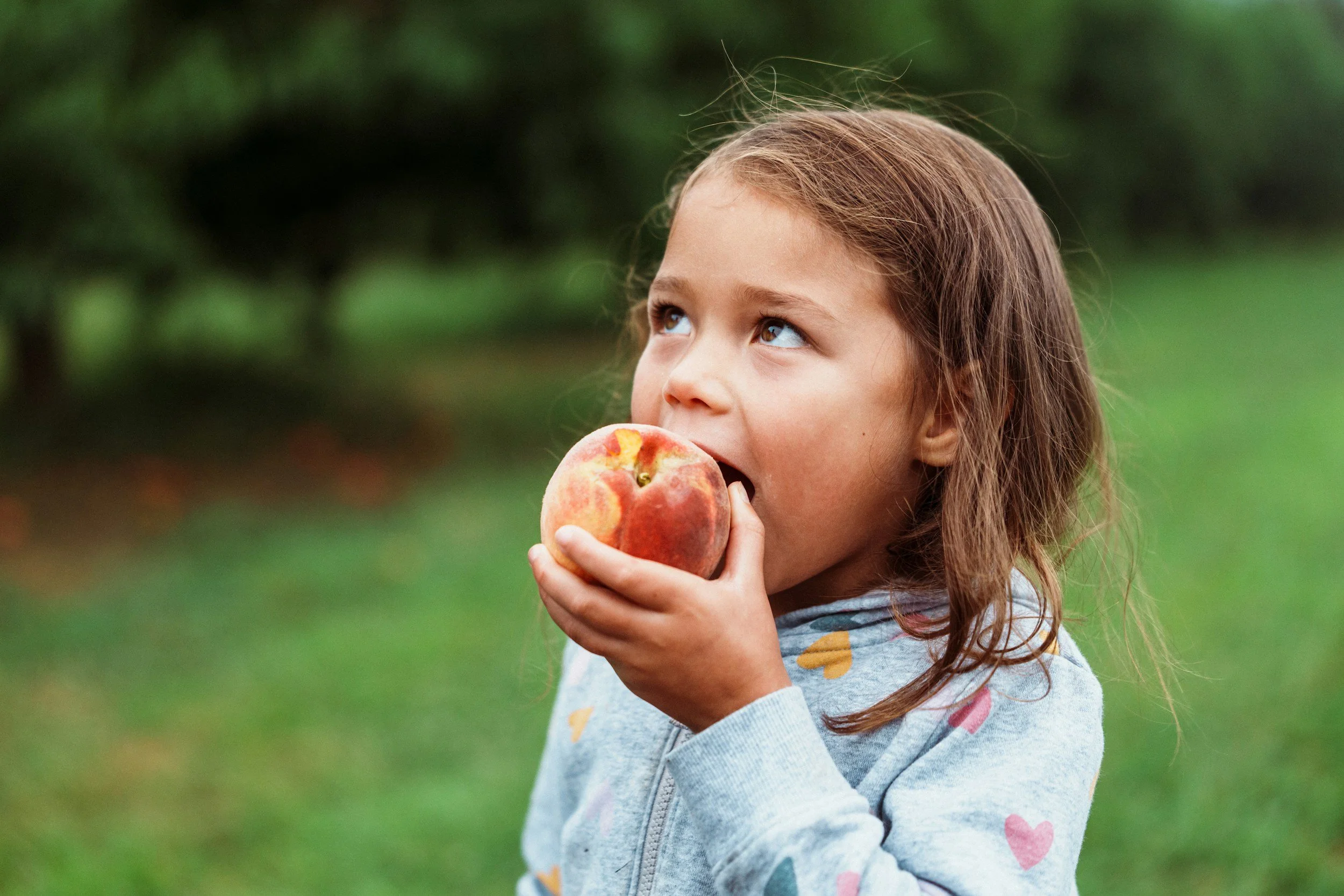
Nutrition
This Nutrition Unit is the perfect way to introduce preschoolers to the main food groups and the basics of good nutrition and healthy habits.
Fruit Food Group - photos, song, resource poster, class graph
Vegetable Food Group - photos, song, resource poster, class graph
Grains Food Group - photos, hide & find "Carpet Game", class graph
Protein Food Group - photos, pocket chart poem, class graph
Dairy Food Group - photos, song, resource poster, class graph
Sweets & Treats - resource poster, grid game
Food Group Fun - song and sorting activity
Food Riddles - active listening practice
Healthy Choices - sorting and coloring activity to conclude the unit
-
![A young girl with curly hair smiling outdoors, holding her hair with both hands.]()
Emotions
Helps preschoolers learn to identify, recognize, and thoughtfully manage their own feelings and emotions.
Introduction - photos, poem, bingo song
Happy Feelings - photos, movement song, letter H carpet game
Grumpy Feelings - photos, song, facial expressions carpet game
Sad Feelings - photos, poem, matching game
Excited Feelings - photos, sort, hidden toys carpet game
Worried Feelings - photos, strategy song, shape recognition carpet game
Impatient Feelings - photos, chip clip poem, strategies song
I’m Overwhelmed - photos, scavenger hunt, grid game
Mixed Emotions - photos, concept of word, movement song
-
![A polar bear standing on snow and raising its paw in a greeting gesture.]()
Polar Animals
Preschoolers will learn all about penguins, polar bears, and other polar animals in this complete Polar Animals.
Introduction to the Polar Regions - photos and a song
Arctic Animals - photos, song, grid game
Polar Bears - photos, labeling activity, counting poem
Seals & Whales - photos, sorting activity, movement song
Penguins - photos, species sorting, movement song
Polar Opposites - sorting, song, and matching game
Snowy Owls - counting poem and carpet game
Camouflage - riddles, peek-a-boo letter identification
Arctic Safari Cruise - pretend play activity and recording sheet
-
![A young girl crouches next to flower plants in a garden bed, taking a photo of a pink flower with her smartphone.]()
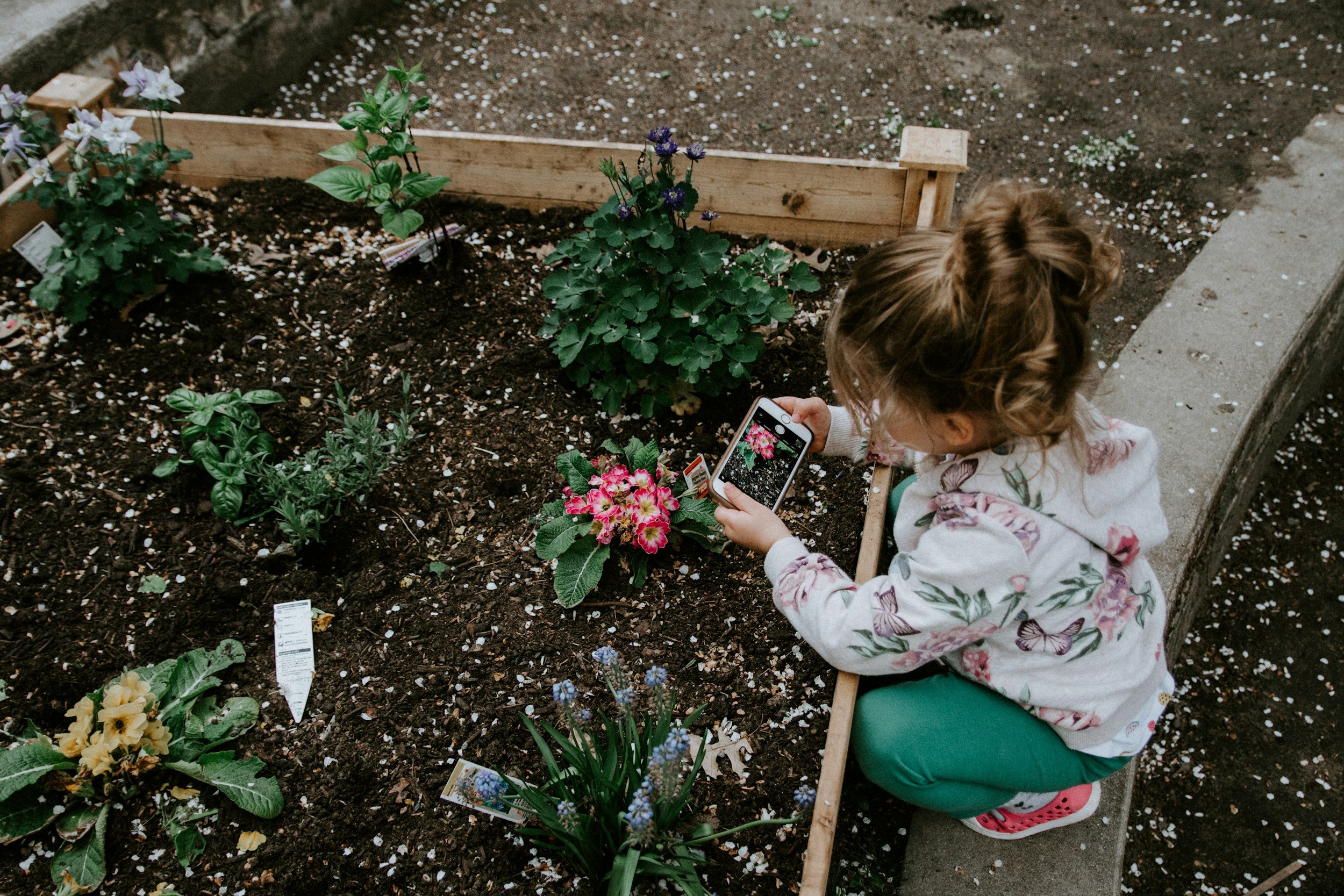
Plants
Preschoolers will gain knowledge and continue to grow through this engaging, comprehensive plant unit.
Introduction - photos, sort and song
Will It Grow? - photos, sort and flower song
Seeds - photos, movement song, carpet game
Planting Time - photos, class poll, bingo song
Parts of a Flower - photos, labeling a picture, grid game
Life Cycle of a Flower - photos, life cycle song, numbers carpet game
Plants We Eat - photos, concept of print poem, classroom posters
Cactus - photos, song, shapes carpet game
Trees - photos, chip clip poem, rhyming cards
-
![Open paint jars with brushes stirring brightly colored paints including red, blue, yellow, black, and green.]()
Colors
Preschoolers learn all about colors, shading, mixing, colors of the rainbow, and the Holi Festival of Colors
Introduction – Colors poll and song
Primary Colors – photos, color journals, and carpet game
Secondary Colors – photos, song, and carpet game
Monochromatic – photos, carpet game and bingo
Rainbow – photos, song, and label picture
Mixing – photos, song, and carpet game
Shade – photos, poem, grid game
Changing Colors – photos, chip clip game, print concept
Festival of Colors – photos, song, carpet game
-
![]()
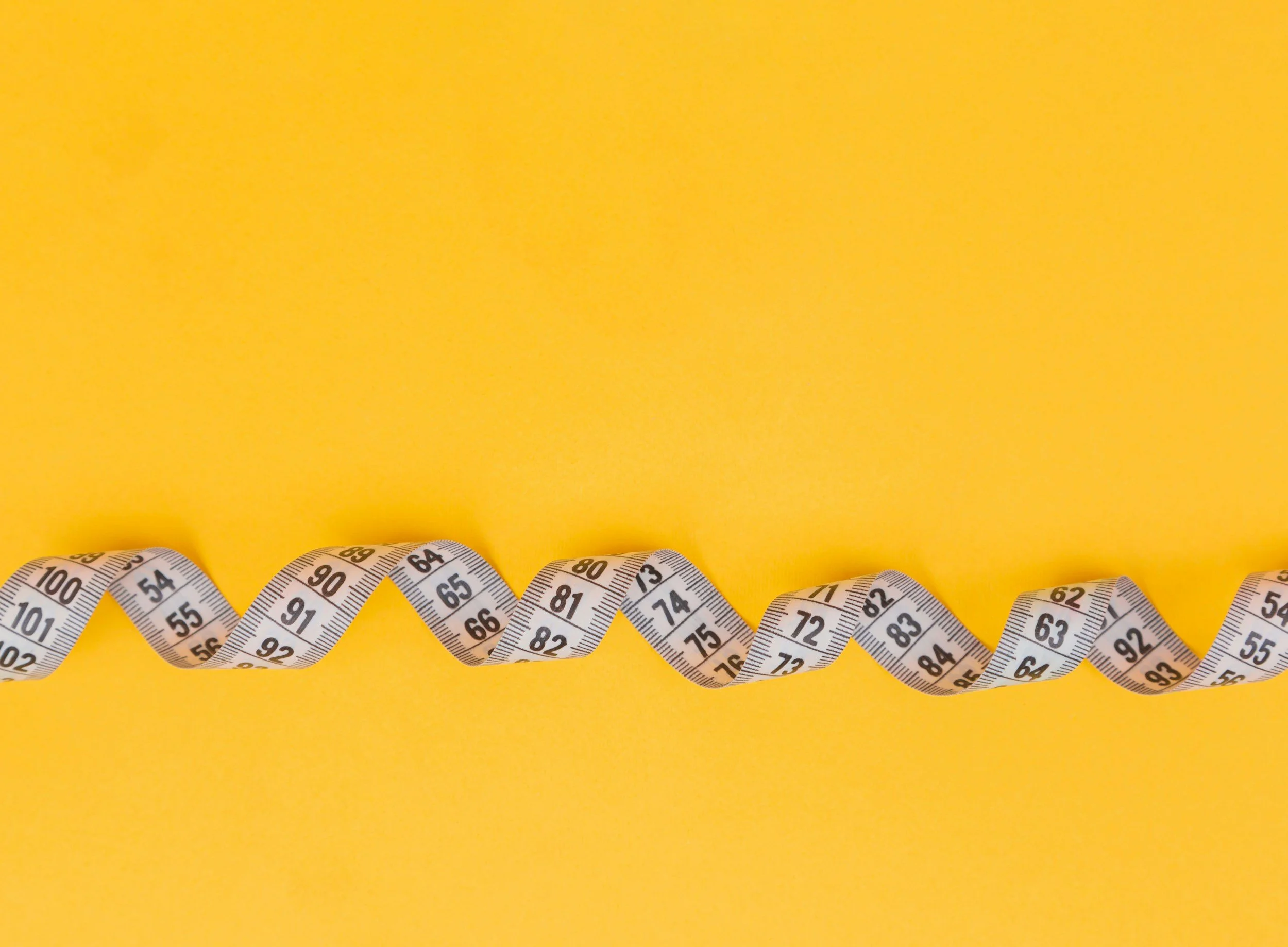
Measurement
Children will compare, measure, and discover basic math concepts through hands-on exploration and purposeful play.
Planning and assessment pages for effortless preparation and progress tracking.
Reference posters featuring real-life photographs of measurement & comparison
Vocabulary cards: measure, length, weight, time, capacity, compare, heavy, light, height
Language board to spark math discussions
-
![]()
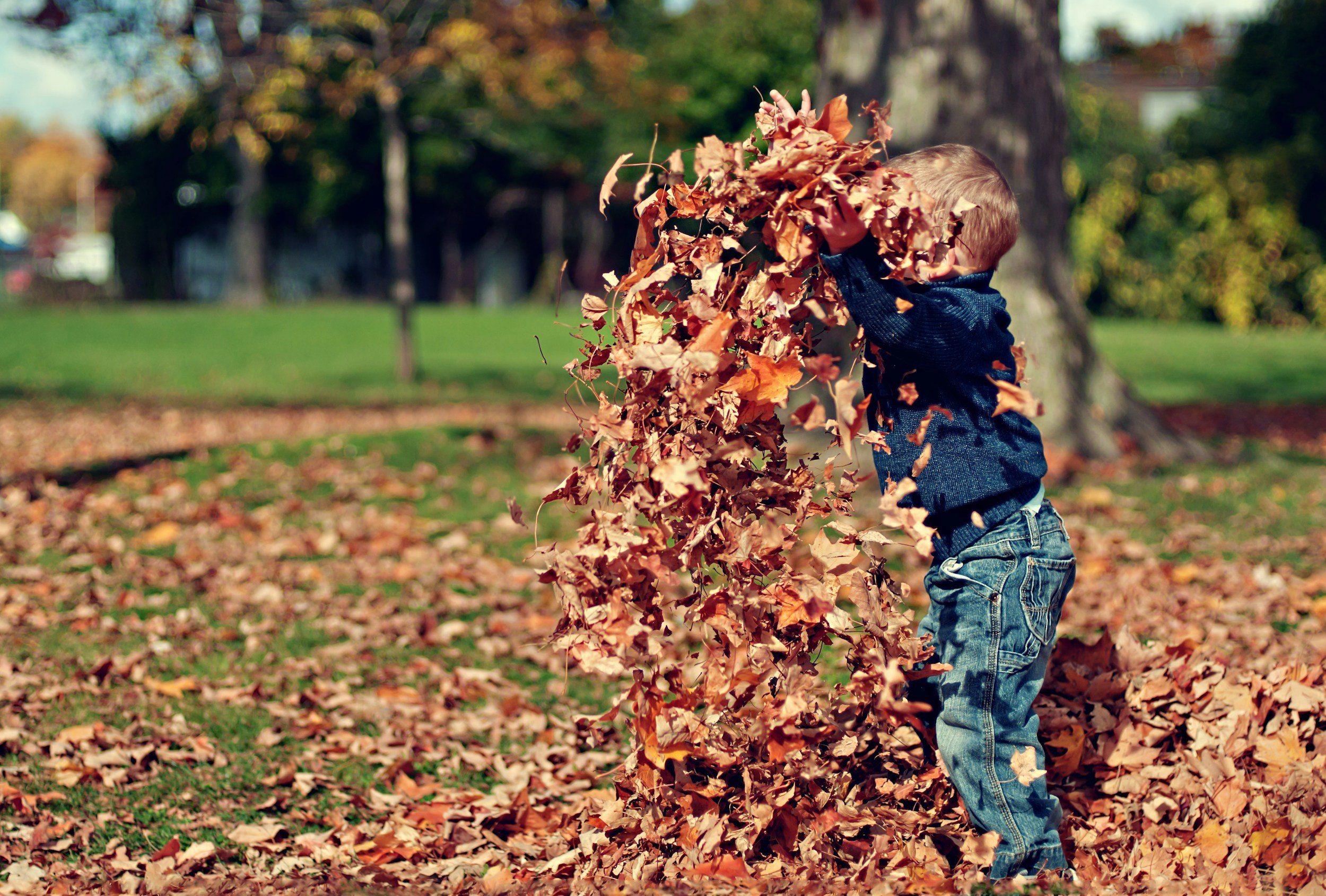
Seasons
Preschoolers will joyfully explore the sights, sounds, and activities of each season.
Spring: Tender green shoots and blossoms appear as warmer rains wake gardens. Days lengthen, birds return, and curiosity blooms with every puddle and new leaf.
Summer: Sun-soaked afternoons and long evenings invite outdoor play. Fruit ripens, insects hum, and sensory-rich experiences fill days with warmth, water, and bright color.
Autumn: Leaves turn gold, crisp air carries the scent of earth, and rhythms slow. Children collect crunchy treasures, explore changing textures, and learn from seasonal harvests.
Winter: Cool, quiet days encourage cozy indoor discovery. Frost and muted landscapes invite tactile play, warm layers, and imagination sparked by shorter daylight and gentle stillness.
-
![]()
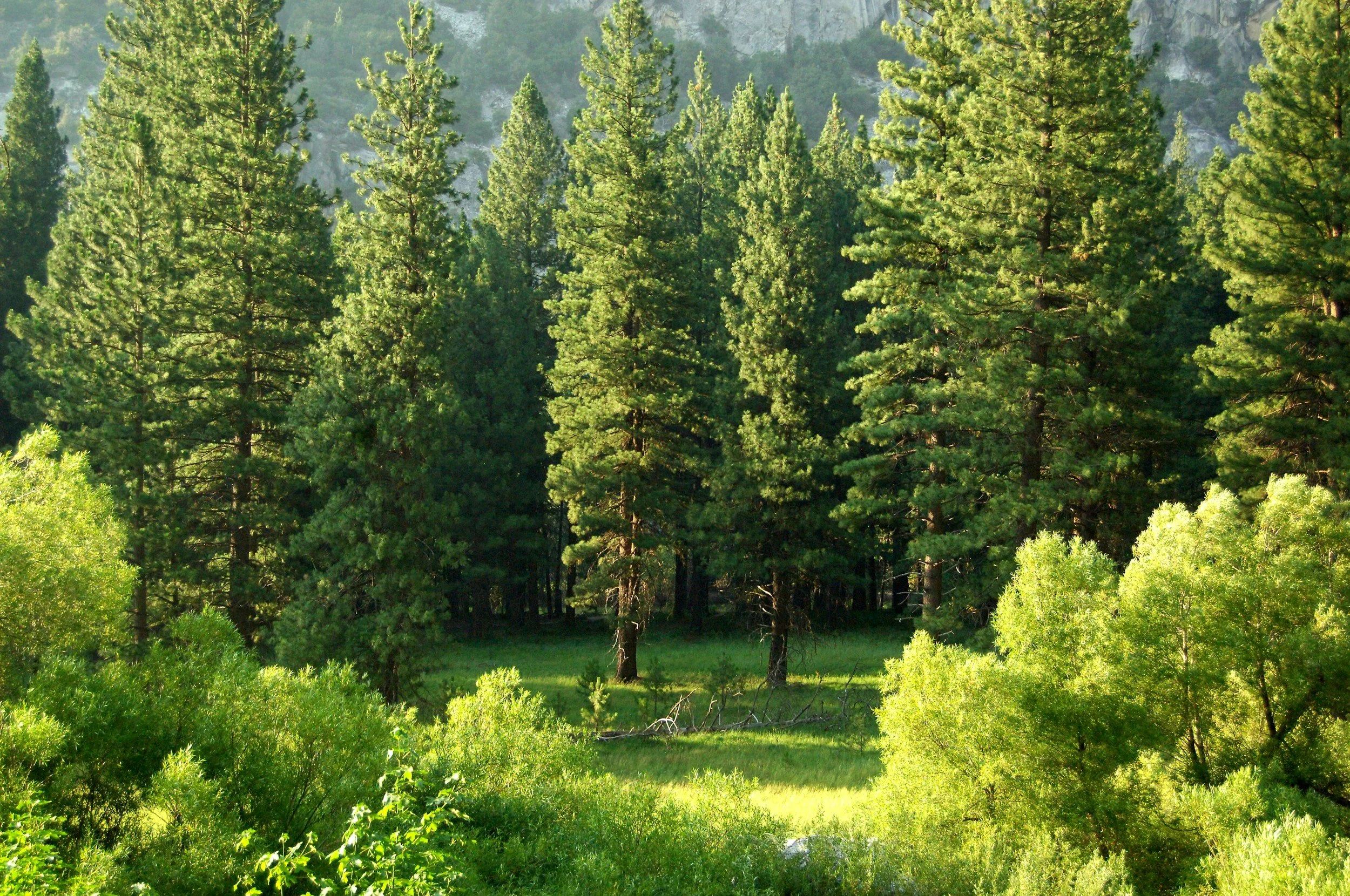
Trees
Preschoolers will joyfully explore the natural world of trees, discovering leaves, bark, and the creatures that live among them.
Introduction: photos, label activity, and questionnaire
Tree Trunks: photos and 2 interactive songs
Roots and Branches: photos, action game, and interactive poem
Leaves: photos, poem, and spinner game
Animal Homes: photos, scavenger hunt, peek-a-boo game
Food from Trees: photos, poem, and riddle bags
Wood & Paper: photos, sorting game, and building game
Tree Gifts: photos, action poem, carpet game
Caring for Trees: photos, song, and puzzle
Conclusion: matching game and grid game
-
![]()
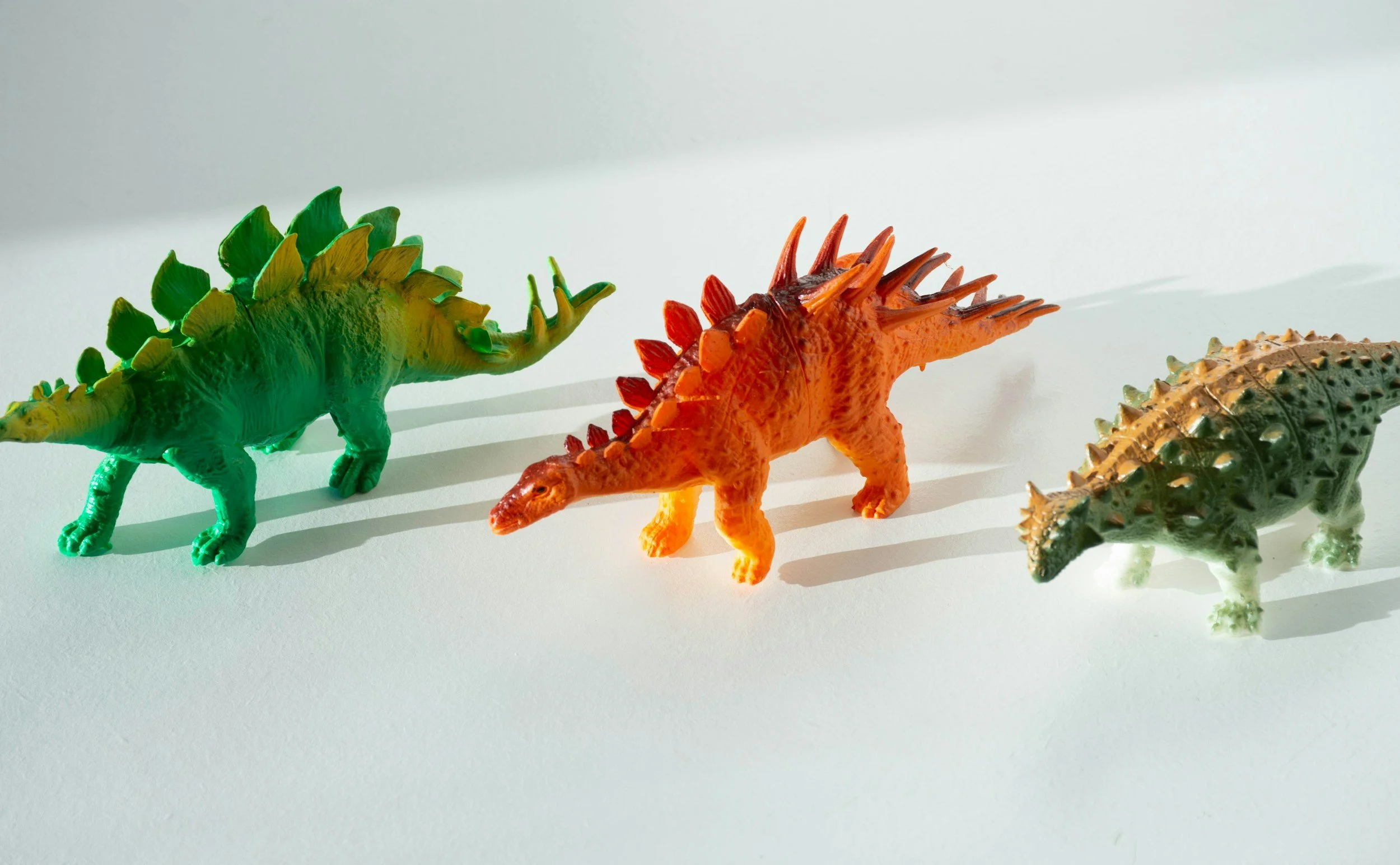
Dinosaurs
Preschoolers will learn all about dinosaurs, exploring their names, sizes, and the environments they once lived in.
Introduction: Sing a dinosaur song, play a carpet game
Triceratops: Dinosaur counting game, sing a song
Long-Necked Dinosaurs: Carpet game, dinosaur chip clip poem
Stegosaurus: Label a picture, sing a dinosaur song
Predators: Herbivore/carnivore sort, sing a song
Pterosaurs: Does it fly/not fly sort, concept of word activity
Fossils: Photos, Bingo game, sing a song
Paleontologist: Photos, dinosaur poll, sing a song
Day at the Museum: Scavenger hunt, riddle bags
Conclusion: Dinosaur grid game, sing a song